44 how do food labels mislead consumers
Are Foods Labeled 'Low Sugar' Misleading Consumers? Critics say that Honest Tea, which is owned by Coca-Cola, is one of many food companies that mislead consumers about the amount of sugar that is added to their products. Health authorities in... timesofindia.indiatimes.com › india › experts-fssaisExperts: FSSAI’s ‘health stars’ on food packs will ‘mislead ... May 04, 2022 · The Food Safety and Standards Authority of India's plan to label ultra-processed foods with “health stars” on Wednesday led 22 public health and consumer organisations to question the ...
Why Misleading Food Labels Are Everywhere - Chris Kresser Misleading food labels and marketing schemes can trick consumers into thinking certain products are healthy—even when they're not. Check out this article from Katie Melville for more on food labels, sugar addiction, and food engineers. #paleo #nutrition #wellness. Why "Organic" and "Gluten-Free" Don't Say Much about How Healthy a ...

How do food labels mislead consumers
13 Misleading Food Label Claims and How Not to Be Tricked Why Food Labels Are Misleading Overstating the benefits of a food product on the label in a way that leads people to pick up the item means more sales. Just getting a consumer to touch a product can be enough to create a sense of ownership of the item and increase the likelihood that they end up buying it. Food labels alone do not take into account many individual factors and they can only give consumers a rough overview, but will never be sufficient to replace a profound nutrition education. Thus, it might be useful if producers provided additional information on their websites regarding the proven health benefits of their products so that ... Labels mislead consumers about what's hidden in food - Mail Online Food labels that advertise lower sodium are a good way to help people make more healthful choices. But after that, what we think those labels mean gets a bit fuzzy, according to a 2013 study....
How do food labels mislead consumers. How Meat and Poultry Labels Mislead — and Sometimes Deceive — Consumers When Consumer Reports released a survey in May revealing that an astounding 73 percent of consumers are misled by the term "natural" on food labels, the discussion around deceptive labeling terms returned to the spotlight. While much of the conversation centers around packaged goods, meat-eating Americans › pmc › articlesConsumer Perception of Genetically Modified Organisms and ... Nov 10, 2015 · Non-GMO labels cannot be used to imply that a food is of higher quality than GM versions, because that is misleading and not supported by research, nor can the term be applied to crops for which there is no bioengineered version, because that would also mislead customers by making them think the product is different from other versions . › news-room › fact-sheetsFood additives - WHO | World Health Organization Jan 31, 2018 · Food additives can be derived from plants, animals, or minerals, or they can be synthetic. They are added intentionally to food to perform certain technological purposes which consumers often take for granted. There are several thousand food additives used, all of which are designed to do a specific job in making food safer or more appealing. WHO, together with FAO, groups food additives into ... › six-reasons-why-foodSix reasons why food labelling is important Mar 25, 2019 · Food labels guarantee that the food is what we think it is and that products are as nutritious as we think they are. Labels teach us about ingredients and nutrients. With more and more international trade, it is harder and harder for us to know who our food producers are and exactly where the food comes from. Trustworthy labels help fill this gap.
Food labels often mislead consumers | Oklahoma State University The 10 approved GMO foods for sale include alfalfa, apples, canola, corn, cotton, papaya, potatoes, soybeans, summer squash and sugar beets. Although there is an FDA front-of-package labeling initiative to combat misleading food-marketing practices, it will take years and possibly even decades to overcome all of the inappropriate claims. › nutritionsource › food-labelUnderstanding Food Labels | The Nutrition Source | Harvard T ... Chile implemented the Law of Food Labeling and Advertising in 2016, comprised of mandatory front-of-package (FOP) warning labels, restrictions on child-directed marketing, and the banning of sales in schools of all foods and beverages containing added sugars, sodium, or saturated fats that exceeded set nutrient or calorie thresholds. [1] 'Natural' on Food Labels Is Misleading - Consumer Reports Consumer Reports also invites consumers to attend a special event from 9:30 a.m. to 4 p.m. on Friday, Sept. 19, in San Francisco's City Hall called America's Most Wanted labels to examine food ... Half of America finds food labels misleading - New York Post June 7, 2018 3:29pm. Shutterstock. Half of Americans (53 percent) feel like food labels are sometimes misleading, new research suggests. In fact, mistrust in food labels extends to 11 percent of ...
Food labels mislead consumers - The Detroit News Despite the scientific consensus that GMO crops are safe, some consumers are interested in that information. But products using a GMO-free or non-GMO label that can't be produced with this... Do Food Package Labels Mislead Consumers, Or Are They Misleading ... In this study, researchers used three methods to understand why consumers pay more money for food products with misleading labels. The first method involved comparing the demand for a product between experts and non-experts (assuming experts are more knowledgeable). › documents › 2016/05/27Federal Register :: Food Labeling: Revision of the Nutrition ... May 27, 2016 · Section 403(q) of the Federal Food, Drug, and Cosmetic Act (the FD&C Act) (21 U.S.C. 343(q)) specifies certain nutrients to be declared in nutrition labeling, and authorizes the Secretary of Health and Human Services to require other nutrients to be declared if the Secretary determines that a nutrient will provide information regarding the ... Food Labels that Mislead Consumers - gofbonline.com Article 2 (1) (a) (i) requires that consumers have correct, neutral and objective information. While they are assumed to read the list of ingredients, the CJEU did not exclude the possibility that the label may still mislead when items are erroneous, ambiguous, contradictory or incomprehensible.
Pin by Eve Durante on Food | Food labels, Reading food labels, Organic recipes
Manipulating Food Labels: How Companies Are Misleading Users Another way that companies are manipulating food labels is by including the "%DV" values instead of the actual values of each compound. These values are percentages that provides an overview of how much fats, cholesterol, sodium, and other compounds the bar contains, compared to the total amount the human body needs per day.
‘Antibiotic free’ labels can mislead the public – RUMA | Pig World
Food labels can inform, or they can mislead consumers Many of today's food labels create either a "halo effect," implying the food is more healthy or nutritious than it actually is, or a "reverse halo effect," making it synonymous with being bad. Many consumers misinterpret the meanings of various labels, leading to unhealthy outcomes. For example, celiac disease, a debilitating and sometimes ...

Consumer’s Guide to Misleading Claims on Food Labels - Thrive Market
Are food labels misleading? - OnPoint Nutrition Written by: Emily Pierce RD, LDN. Packaged and processed foods have been labeled as misleading in recent years- and for good reason! Most consumers don't understand what's in the packaged products that enticingly sit on every store shelf. If the food tastes good, why do manufacturers feel the need to mess with it?
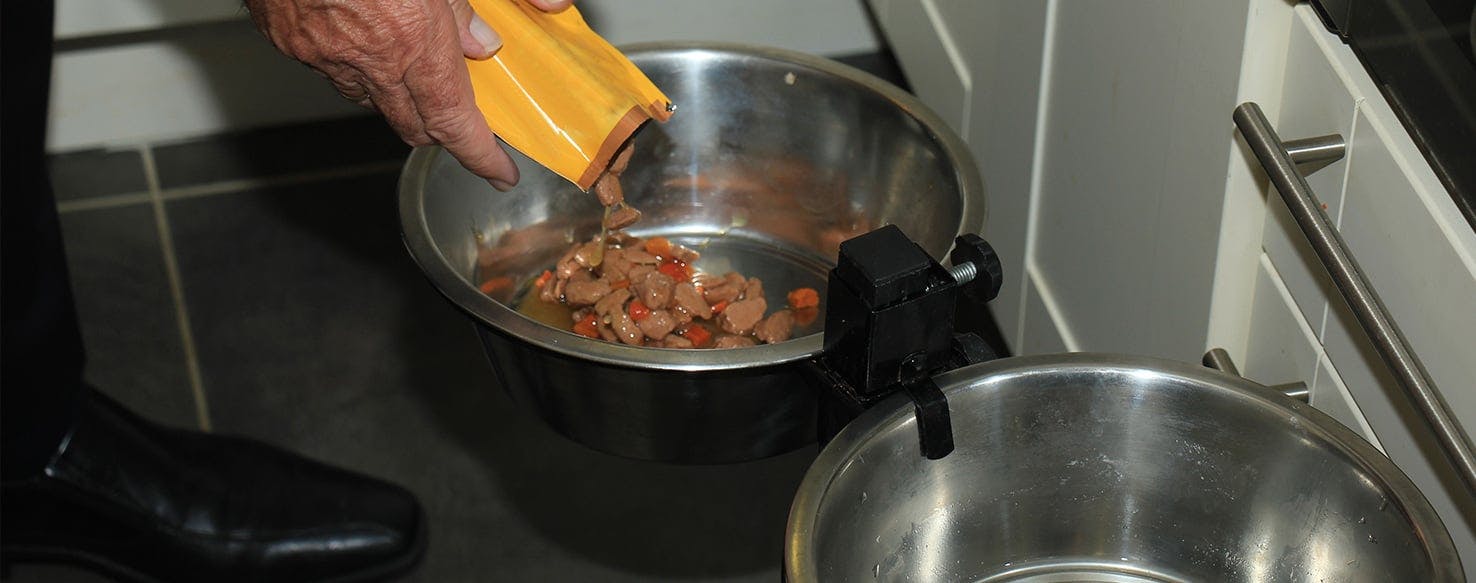
Understanding Your Dog's Food By Calculating Dry Matter Basis | Wag!
Weekly Topic: Editorial - Misleading food labeling Misleading health claims allowed by the FDA are even more concerning. Products are often labeled with what they do not have to imply healthfulness and superiority to competitors. Consumers purchasing a no sugar added juice may be inclined to believe that there is little sugar or calories in the product, when in fact the opposite is true.

What Those Misleading Food Labels Actually Mean
17 Misleading Food Labels Designed To Influence What You Buy Food Marketing Label Tricks 1. Hiding sugar content Disguising sugar with deceptive food labeling is almost an art form with food marketers these days, given the prevalence of obesity ( 1 ), diabetes, & pre-diabetes in our country ( 2 ). 2. Saying something's not there that was never there anyway

What can food manufacturers do to help reduce food waste?: News from ABB - Food and Beverage
How do food labels mislead consumers? Still, food labels can trick consumers, thanks in part to labeling rules few know or understand. Calorie, fat and sugar content can be 20% higher than what's on the label. Vitamin and mineral content can be 20% lower than what's on the label.

Manufacturing Consultant | Industrial Consultant | Engineering Consultant
How food labels can mislead shoppers about fat content A spokesman for the Food Standards Agency, which has a role in policing labelling, said it was waiting for the EU to act on misleading claims such as 'light' or 'lite'. She said: 'There are no...
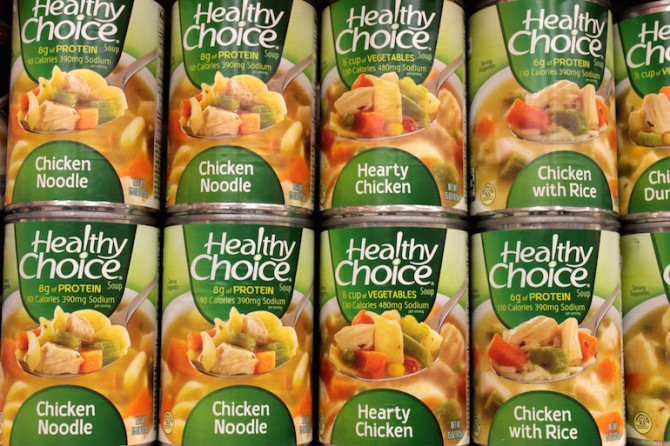
What Those Misleading Food Labels Actually Mean
Food labels are misleading: Study shows 40% of ... - Consumers' Research Food labels are misleading: Study shows 40% of discarded food is perfectly fine John Meyer March 17, 2016 While strolling through the supermarket aisles, consumers are inundated with a multitude of food date labels. Some feature "sell-by" dates, which indicate the last recommended date merchants should offer the product for sale.

Food labels often mislead consumers | Top Headlines | wlj.net "The supermarket is full of misleading food marketing, all of which is aimed at unsuspecting customers who simply want to purchase healthy foods for their family," Kinsey said. "Unfortunately, consumers don't always have a good understanding of the verbiage used on the labels. For example, cholesterol is only found in animal-based products.
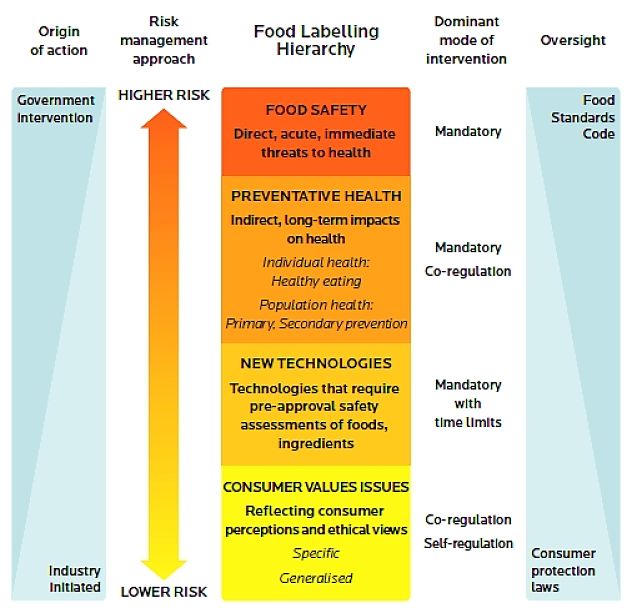
Do Food Labels Inform, Educate, Deceive or Mislead - Traffic Lights Off or On
Study reveals most consumers think food labels are misleading In fact, mistrust in food labels extends to 11% of Americans who find food labels to be completely untrustworthy. And, it's more than just distrust of labels; 82% of Americans have felt tricked by nutrition labels. The lack of trust continues with 43% of U.S. consumers believing that brands are misleading consumers as a way to sell products.
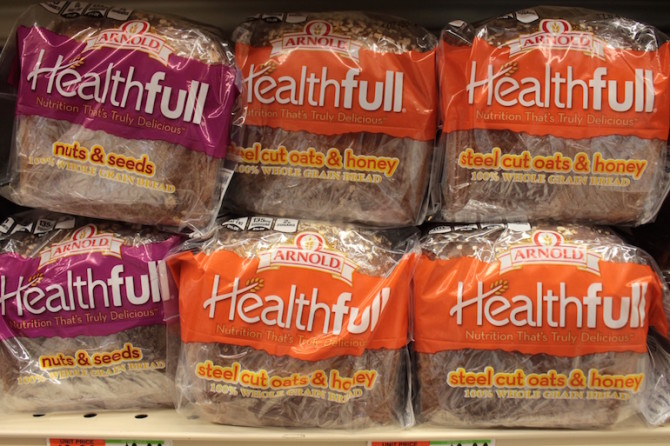
What Those Misleading Food Labels Actually Mean
Why Lawsuits Over 'Misleading' Food Labels Are Surging - The New York Times The lawsuits, most of which were dismissed, claimed consumers were misled into thinking the flavoring comes from vanilla beans or vanilla extract. "The landscape for businesses has become...
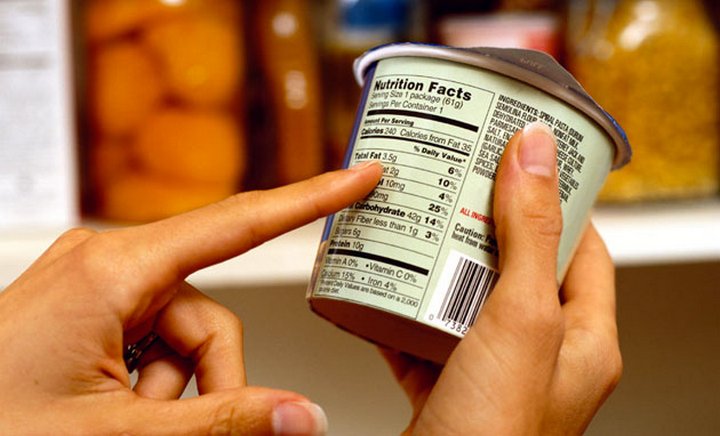
Clean Eating Made Simple » A CONSUMER’S GUIDE TO THE MISLEADING CLAIMS ON FOOD LABELS
Food Fraud Is Real. Here's How To Detect Mislabeled Foods. Follow consumer advocacy sites like Gluten Free Watchdog to remain up to date, and be aware that the safest products are those whole grains and beans you inspect yourself. Mislabeled Fish Unfortunately, it's still common for fish and seafood to be mislabeled, with cheap or farmed brands passed off as more succulent or wild-caught varieties.
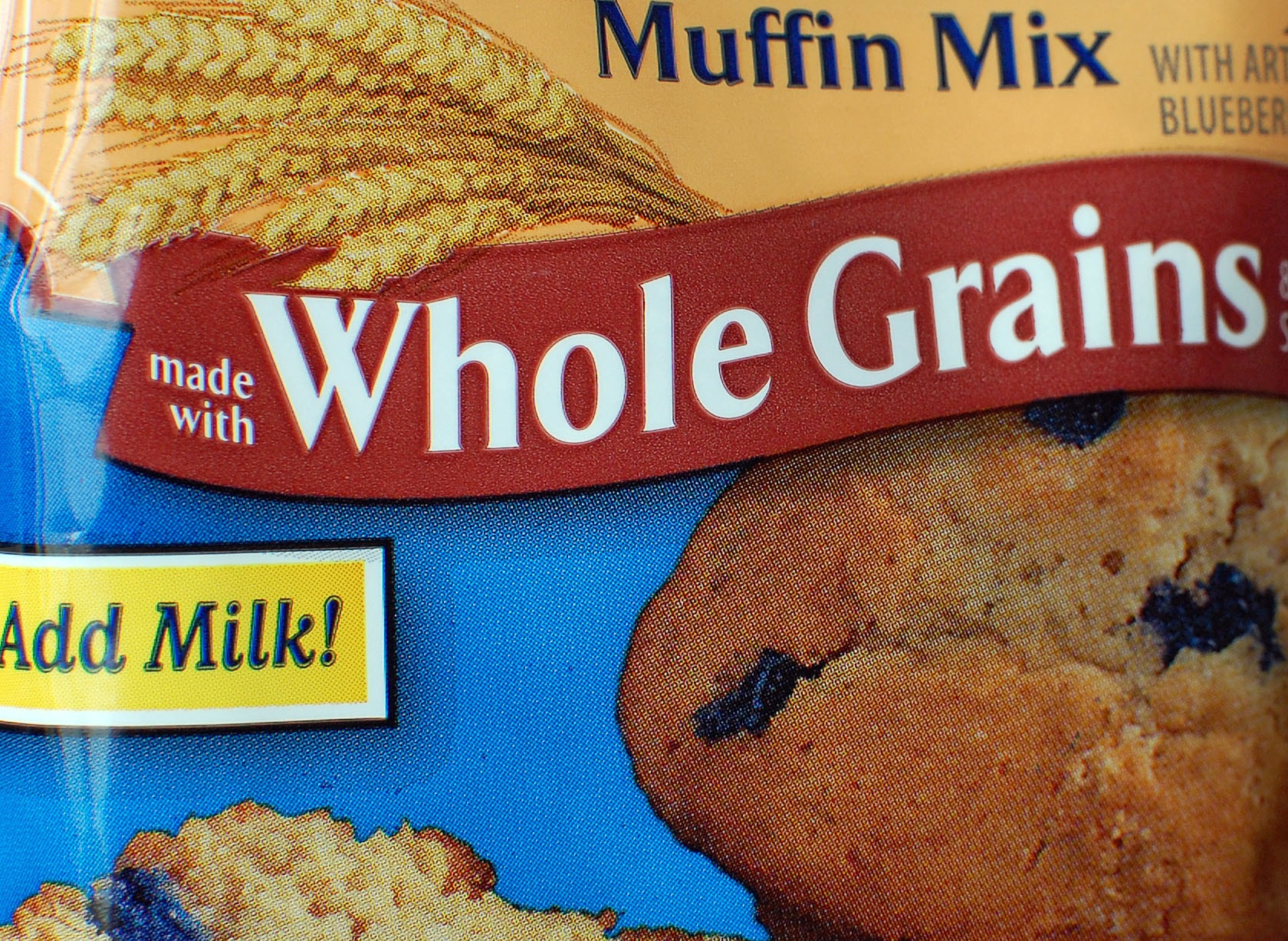
5 Misleading Food Label Claims | Healthy Ideas for Kids
How Food Expiration Labels Mislead Consumers: Labeling System Confusing ... "The labeling system is aimed at helping consumers understand freshness, but it fails - they think it's about safety," she explained. "And (consumers) are wasting money and wasting food because of this misunderstanding." In addition, the food labeling system is subject to inconsistent regulation.

Junk food monster: Global practice is moving to warning labels
Food labels mislead consumers - CavalryGroupNewswire.com While there are fewer than 20 genetically-modified crops approved by the USDA for commercial cultivation (with eight produced widely), the Project happily leads consumers into believing anything without their label—regardless of whether it even has DNA—could be hiding GMOs. Unfortunately, consumers are the losers of marketing gimmicks.
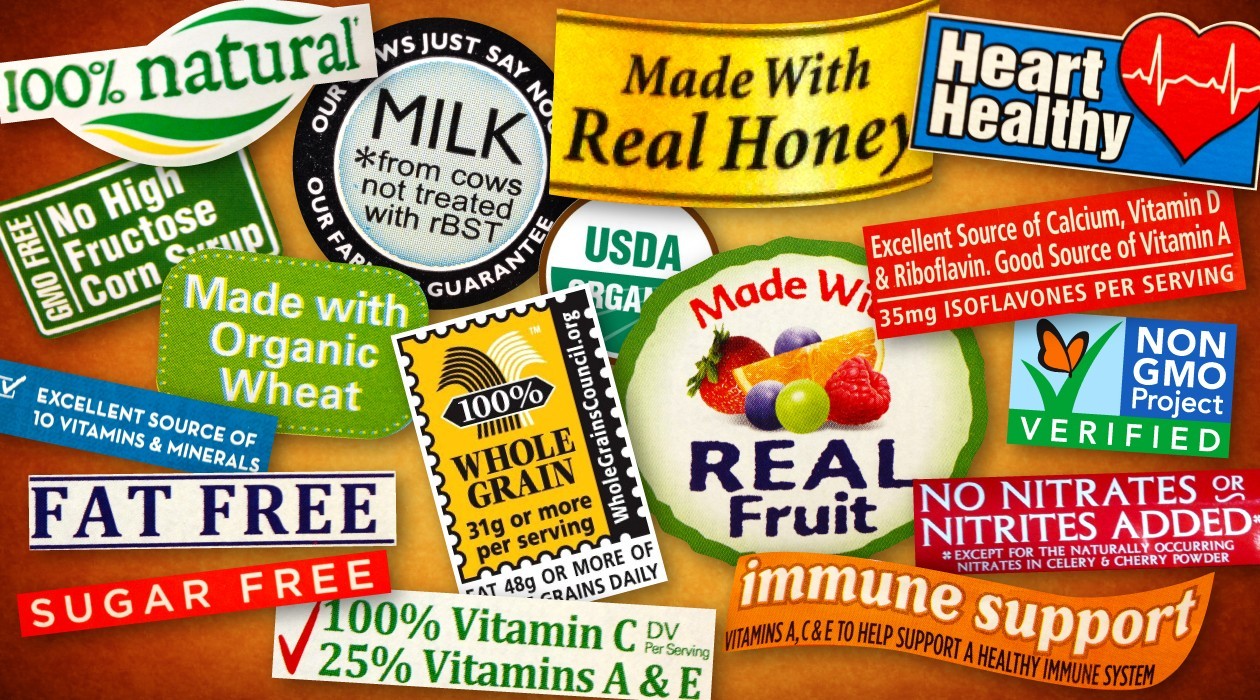
The 13 Most Misleading Food Label Claims - Naked Food Magazine
5 Ways Food Manufacturers are Misleading You Let's have a look at the 5 most common misleading labels out on the market. Advertisement 1. The "All Natural" Marketing Ploy In recent years, most consumers have learned by now that natural foods are much better choices than processed foods. But just because a product is labelled as "all natural" does not necessarily mean that it is.
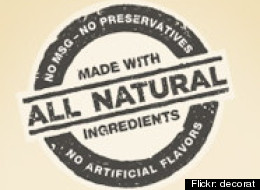
The 16 Most Misleading Food Labels
How do some food companies exploit food labels to mislead consumers in ... Originally Answered: How do some food companies exploit food labels to milead consumers in order to improve their sales? One very common trick, in many guises, is to play on the ignorance of the consumer by making claims which are meaningless but technically true. For instance, cholesterol was, for a while, regarded as a bad dietary substance.

What consumers should know about changes to food labeling - Chicago Tribune
Labels mislead consumers about what's hidden in food - Mail Online Food labels that advertise lower sodium are a good way to help people make more healthful choices. But after that, what we think those labels mean gets a bit fuzzy, according to a 2013 study....

Food labels mislead consumers
Food labels alone do not take into account many individual factors and they can only give consumers a rough overview, but will never be sufficient to replace a profound nutrition education. Thus, it might be useful if producers provided additional information on their websites regarding the proven health benefits of their products so that ...
Post a Comment for "44 how do food labels mislead consumers"