43 understanding ingredients on food labels
Understanding Ingredients on Food Labels | American Heart Association Understanding Ingredients on Food Labels. Food labels are an important source of information about calories and the nutritional value of the foods you eat, a crucial tool in building a heart-healthy diet. Understanding Ingredients on Food Labels - Professional Heart Daily ... There are many terms used for sugar on food labels. You might see sugar listed as the fourth ingredient in a product and think it's not so bad. But sugar can also be listed as high-fructose corn syrup or corn syrup, agave nectar, barley malt syrup or dehydrated cane juice, to name just a few. Read more about sugar and sweeteners.
How to Understand and Use the Nutrition Facts Label | FDA Dietary fiber, vitamin D, calcium, iron ad potassium are nutrients on the label that Americans generally do not get the recommended amount of. They are identified as nutrients to get more of....
Understanding ingredients on food labels
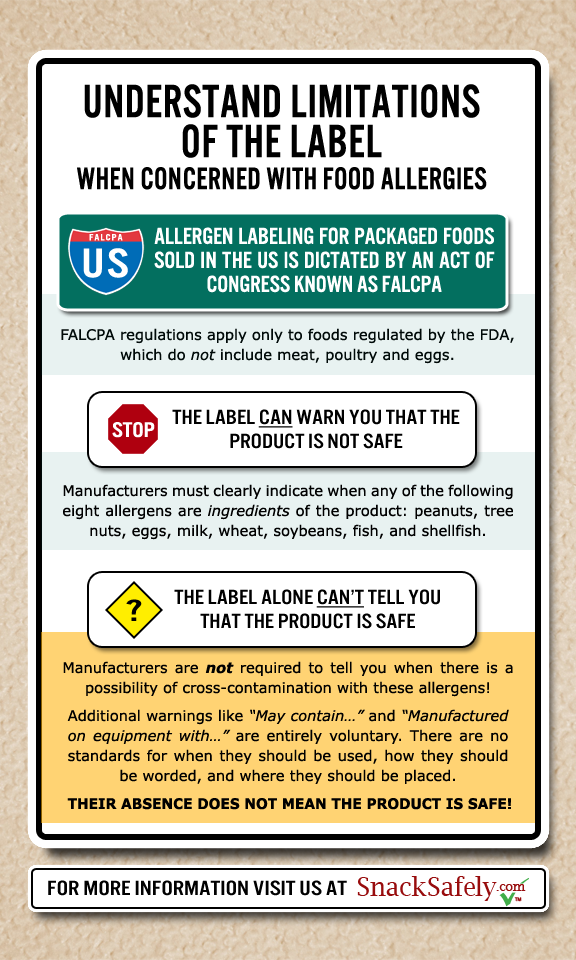
Understanding Ingredients on Food Labels - American Heart Association There are many terms used for sugar on food labels. You might see sugar listed as the fourth ingredient in a product and think it's not so bad. But sugar can also be listed as high-fructose corn syrup or corn syrup, agave nectar, barley malt syrup or dehydrated cane juice, to name just a few. Read more about sugar and sweeteners. Understanding Food Labels - Nutrition: Science and Everyday Application The FDA uses the following definitions for interpreting the %DV on food labels:4 5%DV or less means the food is low in a nutrient. 10% to 19%DV means the food is a "good source" of a nutrient. 20%DV or greater means the food is high in a nutrient. Understanding Food Labels | The Nutrition Source | Harvard T.H. Chan ... Under the Food Allergen Labeling and Consumer Protection Act of 2004, eight major food allergens—milk, fish, tree nuts, peanuts, shellfish, wheat, eggs, and soybeans—are required to be listed in a "contains" statement near the Ingredients list if present in a food. An example would be "contains wheat, milk, and soy."
Understanding ingredients on food labels. Understanding Ingredients on Food Labels | American Heart Association ... There are many terms used for sugar on food labels. You might see sugar listed as the fourth ingredient in a product and think it's not so bad. But sugar can also be listed as high-fructose corn syrup or corn syrup, agave nectar, barley malt syrup or dehydrated cane juice, to name just a few. Read more about sugar and sweeteners. Understanding Food Labels, Part II: The Ingredient Statement The Food and Drug Administration (FDA) has specific . requirements for Ingredient Statements that all pro-cessors must follow: • Ingredients must be listed by weight, from . highest to lowest. • Any "multi-component" ingredients must . be followed by their own list of individual ingredients (see flour in the previous exam-ple). Understanding Food Labels - Food Ingredient Facts Food labels are required to list all ingredients contained in the food in descending order based on the amount found in the final product. Most food additives are therefore found toward the end of the ingredient list. This indicates they are used in very small amounts in the food, generally less than two percent of the product. How to Read a Food Label | Food Allergy Research & Education While all ingredients in a food are supposed to be listed in the ingredients list, FALCPA covers only the eight most common allergens. These are milk, egg, peanut, tree nuts, soy, wheat, fish and crustacean shellfish. Note that molluscan shellfish—such as oysters, clams, mussels or scallops—are not required to be labeled as a major allergen.
Food Labeling & Nutrition | FDA Food labeling is required for most prepared foods, such as breads, cereals, canned and frozen foods, snacks, desserts, drinks, etc. Nutrition labeling for raw produce (fruits and vegetables) and ... Understanding Food Labels and Ingredient Lists: FAQs and Do's and Don'ts Fresh eggs. Foods with insignificant amounts of the nutrients on the required label, such as coffee, tea, spices, flavor extracts, and food colors. These may contain ingredient labels but are unlikely to contain nutrition facts labels. Packaged single-ingredient meat products, such as deer, bison, rabbit, quail, wild turkey, and ostrich. How to Read Food Labels Without Being Tricked - Healthline The product may contain very little whole grains. Check the ingredients list — if whole grains aren't in the first three ingredients, the amount is negligible. Fortified or enriched. This ... Understanding Ingredients on Food Labels | American Heart Association ... There are many terms used for sugar on food labels. You might see sugar listed as the fourth ingredient in a product and think it's not so bad. But sugar can also be listed as high-fructose corn syrup or corn syrup, agave nectar, barley malt syrup or dehydrated cane juice, to name just a few. Read more about sugar and sweeteners.
Labels - Understanding ingredient labels - Center for Research on ... Cosmetic labels provide an overview of what the product does, the ingredients in the product, and any allergens (e.g., nut oils, etc.). Food labels will have the ingredient list under the " Nutrition Facts " heading to provide vital nutrient information for the product. It will also list allergen information. Understanding Food Nutrition Labels | American Heart Association When the Nutrition Facts label says a food contains "0 g" of trans fat, but includes "partially hydrogenated oil" in the ingredient list, it means the food contains some trans fat, but less than 0.5 grams per serving. So, if you eat more than one serving, you could end up eating too much trans fat. Understanding Ingredients on Food Labels | Go Red for Women There are many terms used for sugar on food labels. You might see sugar listed as the fourth ingredient in a product and think it's not so bad. But sugar can also be listed as high-fructose corn syrup or corn syrup, agave nectar, barley malt syrup or dehydrated cane juice, to name just a few. Read more about sugar and sweeteners. How to understand food labels - Eat For Health The Nutrition Information Panel on a food label offers the simplest and easiest way to choose foods with less saturated fat, salt (sodium), added sugars and kilojoules, and more fibre. It can also be used to decide how large one serve of a food group choice or discretionary food would be and whether it's worth the kilojoules.
Understand the Limitations of the Label | SnackSafely.com
Reading & Interpreting Ingredient Lists on Food Labels The ingredients are listed by weight; the ingredient that has the highest weight is listed first, and the ingredient with the lowest weight is listed last. This is important as we examine which...

How to Avoid Getting Fooled by Food Labels - | Food labels, Sugar facts, Packaged food
Understanding Food Nutrition Labels - American Heart Association Remember that the information shown in the label is based on a diet of 2,000 calories a day. You may need less or more than 2,000 calories depending upon your age, gender, activity level, and whether you're trying to lose, gain or maintain your weight. When the Nutrition Facts label says a food contains "0 g" of trans fat, but includes ...

Espoma | Let Us Grow Lettuce | Espoma
How To Read Food and Beverage Labels | National Institute on Aging There are three types of product dates commonly printed on packaged foods and beverages: "Sell by" tells how long the manufacturer suggests that a store should sell items such as meat, poultry, eggs, or milk products. Make sure you buy by this date. "Use by" tells how long items will be at peak quality.
30 How Are Food Ingredients Listed On A Food Label - Labels For Your Ideas
Understanding Food Labels Understanding Food Labels The only way to prevent a serious allergic reaction is to avoid the food allergen. Reading every food label, every time is one of the best ways to ... Other food ingredients may or may not be declared on the label. Consumers can call the manufacturer and ask if a product contains their allergen(s). In some cases, food ...

New Food Label Poster - Nutrition Facts Label Poster | $ 16.15 | Nutrition Education Store
Understanding Ingredients on Food Labels | EmPOWERED To Serve There are many terms used for sugar on food labels. You might see sugar listed as the fourth ingredient in a product and think it's not so bad. But sugar can also be listed as high-fructose corn syrup or corn syrup, agave nectar, barley malt syrup or dehydrated cane juice, to name just a few. Read more about sugar and sweeteners.
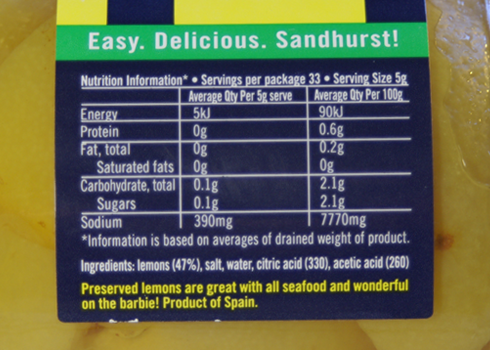
Labelling Food
Understanding Food Nutrition Labels - American Heart Association 5 - Understand % Daily Value. The % Daily Value (DV) tells you the percentage of each nutrient in a single serving, in terms of the daily recommended amount. If you want to consume less of a nutrient (such as saturated fat or sodium), choose foods with a lower % DV (5 percent or less). If you want to consume more of a nutrient (such as fiber ...
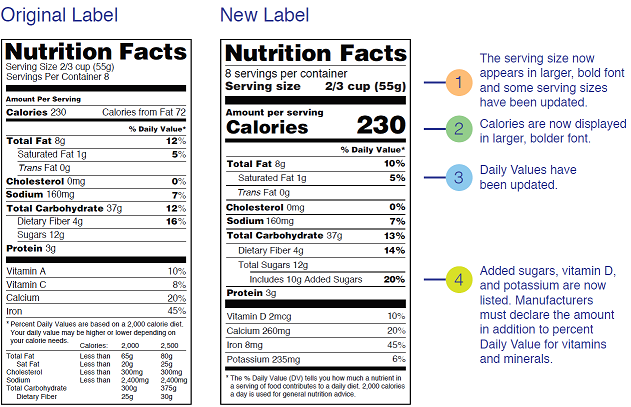
How to Read the 2020 Nutrition Labels | Healthy Outlook
Understanding Ingredients In Food Labels | Eufic The quantity of a product's main or characterising ingredients must be declared, usually as a percentage, when the ingredient (or category of ingredient) appears in the name of the food, is normally associated with that food, or is given particular emphasis in the label (e.g. highlighted or pictured). Explaining ingredients
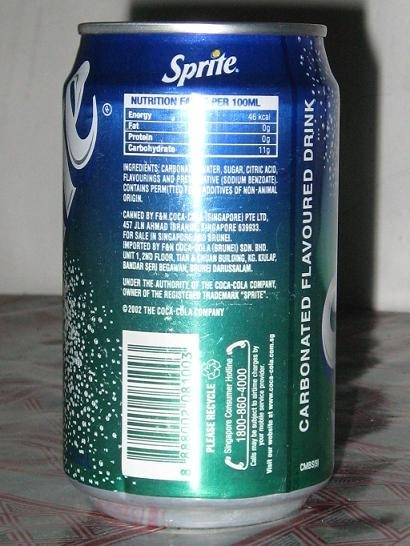
34 Sprite Ingredients Label - Labels Design Ideas 2020
How to Read and Understand Ingredient Labels (and Why) 3. Tricky Trans Fats. You won't find trans fats actually listed in the ingredient label, but rather ingredients that contain trans fats. These include partially hydrogenated oil and hydrogenated oil. 4. In-Disguise Ingredients. Some ingredients are listed under names that aren't as easily recognized.

Understanding Food Labels - YouTube
Easy Tips To Understand The Ingredient List On Food Labels Sugar, sodium and saturated and trans fats have a myriad of monikers. Sugar, for example, may appear as sugar, high fructose corn syrup, agave nectar, brown rice syrup, honey, molasses and a slew of words that end in "ose" (think glucose, fructose, maltose and galactose). Worried about sodium?

Do food labels tell the full story?
Understanding Food Labels | The Nutrition Source | Harvard T.H. Chan ... Under the Food Allergen Labeling and Consumer Protection Act of 2004, eight major food allergens—milk, fish, tree nuts, peanuts, shellfish, wheat, eggs, and soybeans—are required to be listed in a "contains" statement near the Ingredients list if present in a food. An example would be "contains wheat, milk, and soy."

🥡 Food Labels And Nutrition Terms Explained - Beezzly
Understanding Food Labels - Nutrition: Science and Everyday Application The FDA uses the following definitions for interpreting the %DV on food labels:4 5%DV or less means the food is low in a nutrient. 10% to 19%DV means the food is a "good source" of a nutrient. 20%DV or greater means the food is high in a nutrient.
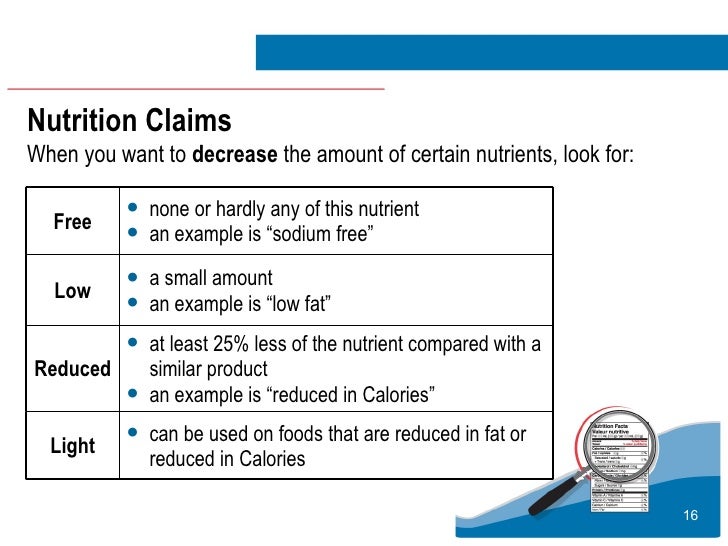
How To Read Food Labels
Understanding Ingredients on Food Labels - American Heart Association There are many terms used for sugar on food labels. You might see sugar listed as the fourth ingredient in a product and think it's not so bad. But sugar can also be listed as high-fructose corn syrup or corn syrup, agave nectar, barley malt syrup or dehydrated cane juice, to name just a few. Read more about sugar and sweeteners.
/person-lifting-milk-jug-from-dairy-aisle-shelf-693673429-5b2a66658e1b6e003e684b0d.jpg)
Understanding What Dairy Product Labels Mean

Know Your Labels: Organic & Non-GMO
Post a Comment for "43 understanding ingredients on food labels"